
Training course
Engineering Critical Assessment (ECA) to BS 7910
Assessing cracks and crack-like flaws in welded and non-welded components under static and cyclic loading, to the BS 7910 and DNV-OS-F101 procedures, including sour-service ECA.
- Duration
- 3 days
- Outline
- 11 modules
- On completion
- Certificate from Z-Subsea Energies
About the course
Assessing cracks and crack-like flaws in pipelines, pressure vessels, structures and piping components under static and cyclic loading is central to operating these assets safely. This course focuses on the methods in BS 7910 and DNV-OS-F101 (now DNV-ST-F101), the main assessment procedures used in the industry.
Attendees work from fracture mechanics and fatigue theory through testing, non-destructive testing and the failure assessment diagram (FAD) approach, to fatigue assessment and sour-service ECA. Learning is reinforced with case studies and worked examples.
What you will learn
Typical fracture and fatigue failures
Fitness-for-purpose methods
Fracture mechanics and fatigue theory
Fracture mechanics testing
Non-destructive testing (NDT) techniques
BS 7910, DNV-OS-F101 and the failure assessment diagram (FAD) approach
Fatigue assessment to BS 7910 and DNV-RP-C203
Sour-service ECA
Who should attend
- Integrity engineers
- Safety engineers
- Materials and corrosion engineers
- Pipeline engineers
- Subsea and offshore engineers
- Project engineers and managers
- Engineers from other parts of the oil and gas industry who want to understand the integrity assessment of pipelines and welded assets
Course outline
01 Typical fatigue and fracture failures 2 topics
- Failure case studies
- Actual failures and lessons learned
02 Fitness-for-purpose methods 3 topics
- The concept of fitness for purpose and engineering critical assessment (ECA)
- Background
- Parameters that influence structural integrity
04 Materials issues 2 topics
- Flaw types, mainly in welds, including fabrication and service flaws
- Materials and service issues and their effect on fracture toughness
06 Non-destructive testing (inspection) 2 topics
- The role of NDT in ECA
- Capabilities of the main NDT methods
07 Introduction to BS 7910 and DNV-OS-F101 1 topic
- Background and definitions, including flaw types and stress categorisation
08 Failure assessment diagram (FAD) approach 3 topics
- Fracture assessment procedures in BS 7910 and DNV-OS-F101, step by step
- Background to the fatigue design of welded joints
- Factors that affect the fatigue of welds
09 Fatigue assessment to BS 7910 and DNV-RP-C203 1 topic
- Fracture mechanics calculations of fatigue crack growth
10 Extending the ECA methodology 1 topic
- BS 7910 and DNV-OS-F101 annexes
11 Sour-service ECA 6 topics
- Determining material properties
- Relevant published data
- Assessing flaw tolerance
- Fracture assessment of circumferential girth weld flaws
- Guidance in BS 7910 and DNV-OS-F101
- Guidance in DNV-RP-F108
Codes and standards covered
- BS 7910
- DNV-OS-F101 (now DNV-ST-F101)
- DNV-RP-C203
- DNV-RP-F108
Free download
Engineering Critical Assessment (ECA) to BS 7910 brochure
Course description and full outline of the three-day Engineering Critical Assessment (ECA) course.
Enquire
Bring this course to your team.
Tell us how many people you’d like to train and how you’d like the course delivered. We’ll confirm the syllabus, format and dates with you.
- Run in-house for your team, anywhere in the world
- Syllabus tailored to your project requirements on request
- Certificate from Z-Subsea Energies on completion
More training
Other courses.
 3 or 5 days
Featured
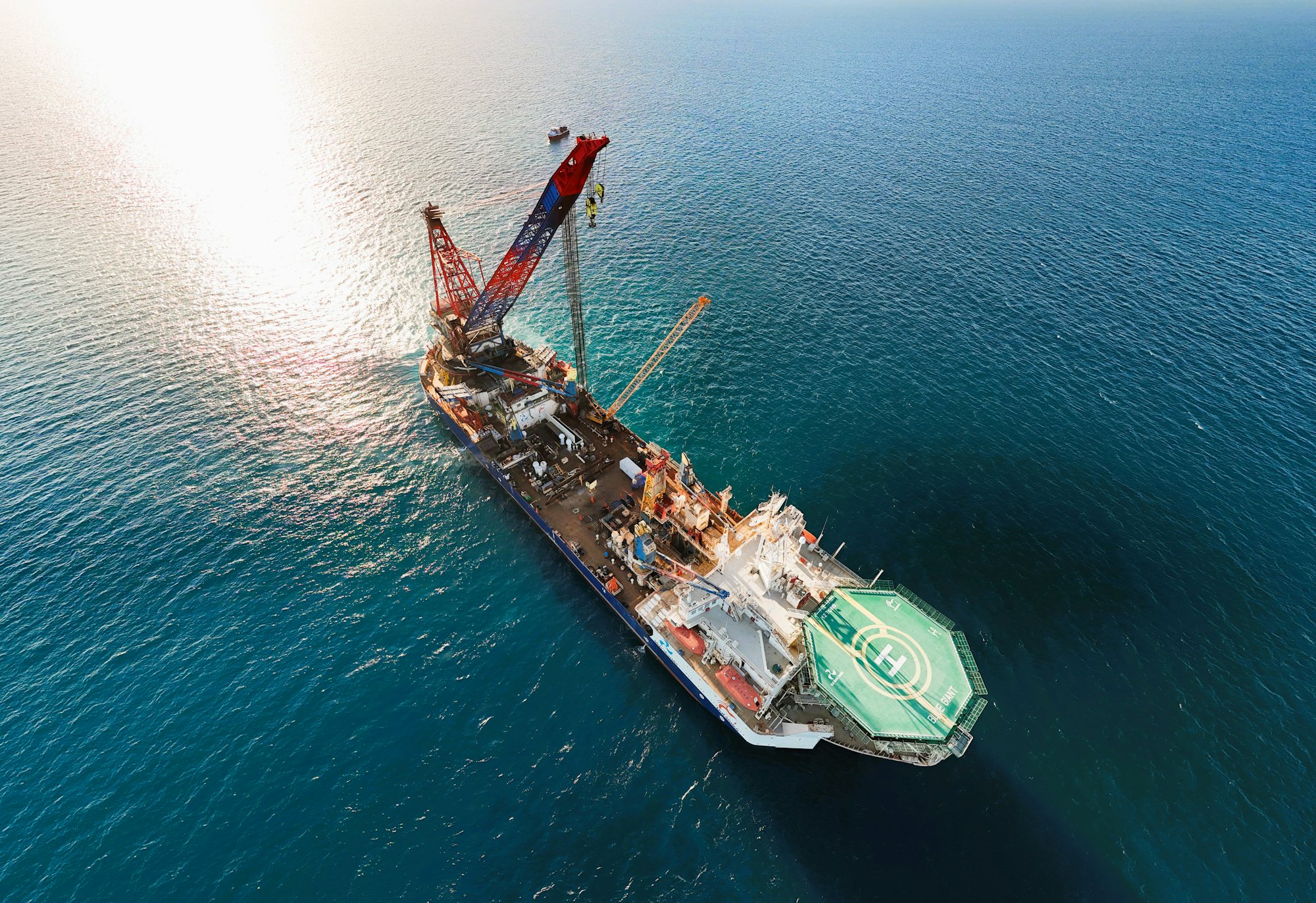
Subsea Pipeline Engineering
From field layout and route selection to installation, pre-commissioning and integrity management: a complete grounding in the design of safe, robust and economical subsea pipeline systems.
View course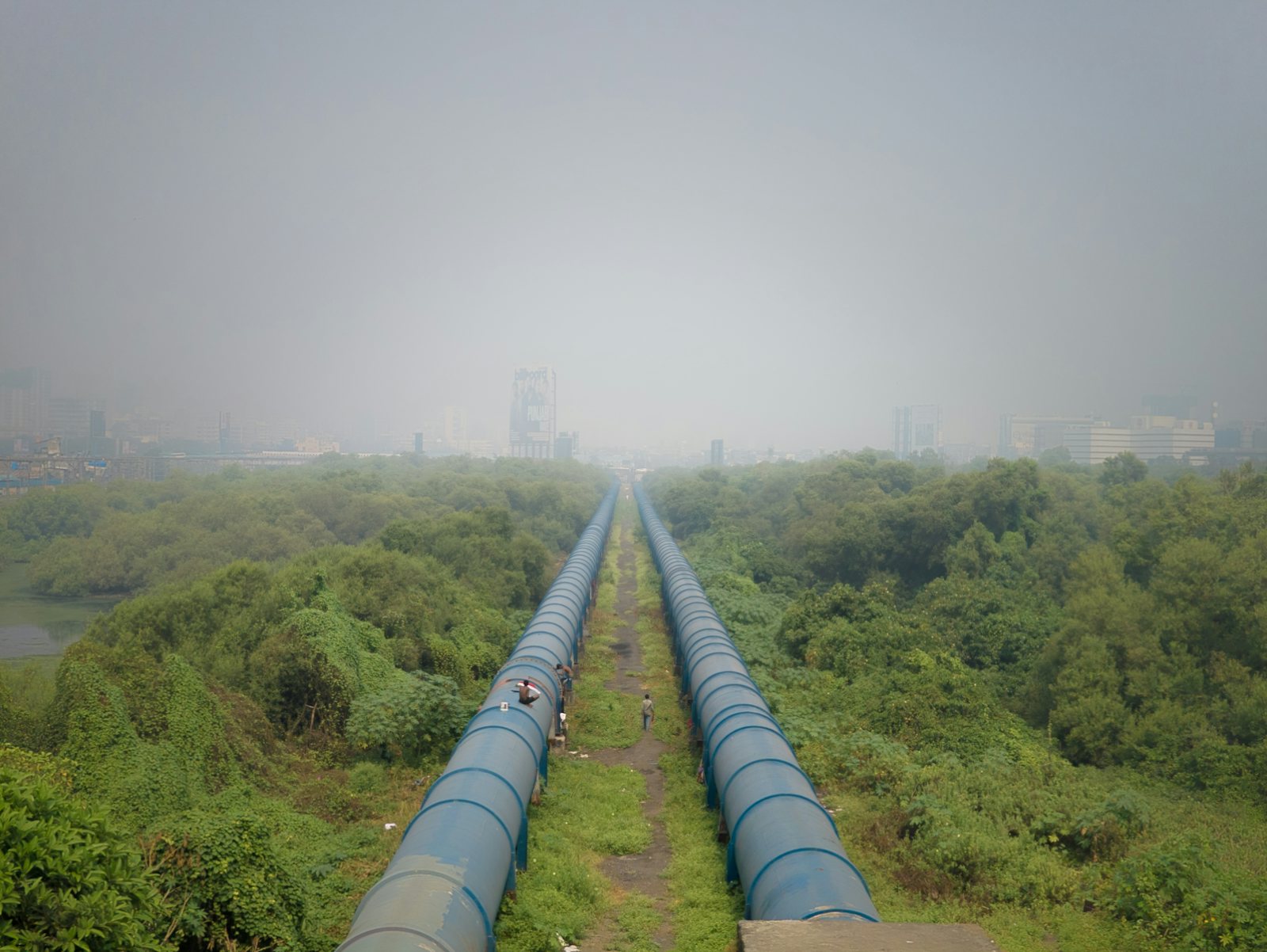 3 days
Onshore Pipeline Engineering
Design, construction and operation of cross-country oil and gas pipelines to ASME B31.4 and B31.8, from route selection and hydraulics to cathodic protection, pre-commissioning and integrity.
View course 3 days
Risk-Based Pipeline Integrity Management
The engineering principles behind keeping a pipeline safe over its design life: threats, risk assessment, inspection, monitoring, integrity assessment and repair.
View course
Need this course tailored to your project?
We can adapt the syllabus to your assets, your design codes and your team’s experience.