Asset Integrity Management
Engineering Critical Assessment (ECA)
Fracture-mechanics assessment of weld and parent-metal flaws that avoids unnecessary repairs, across the full asset life.
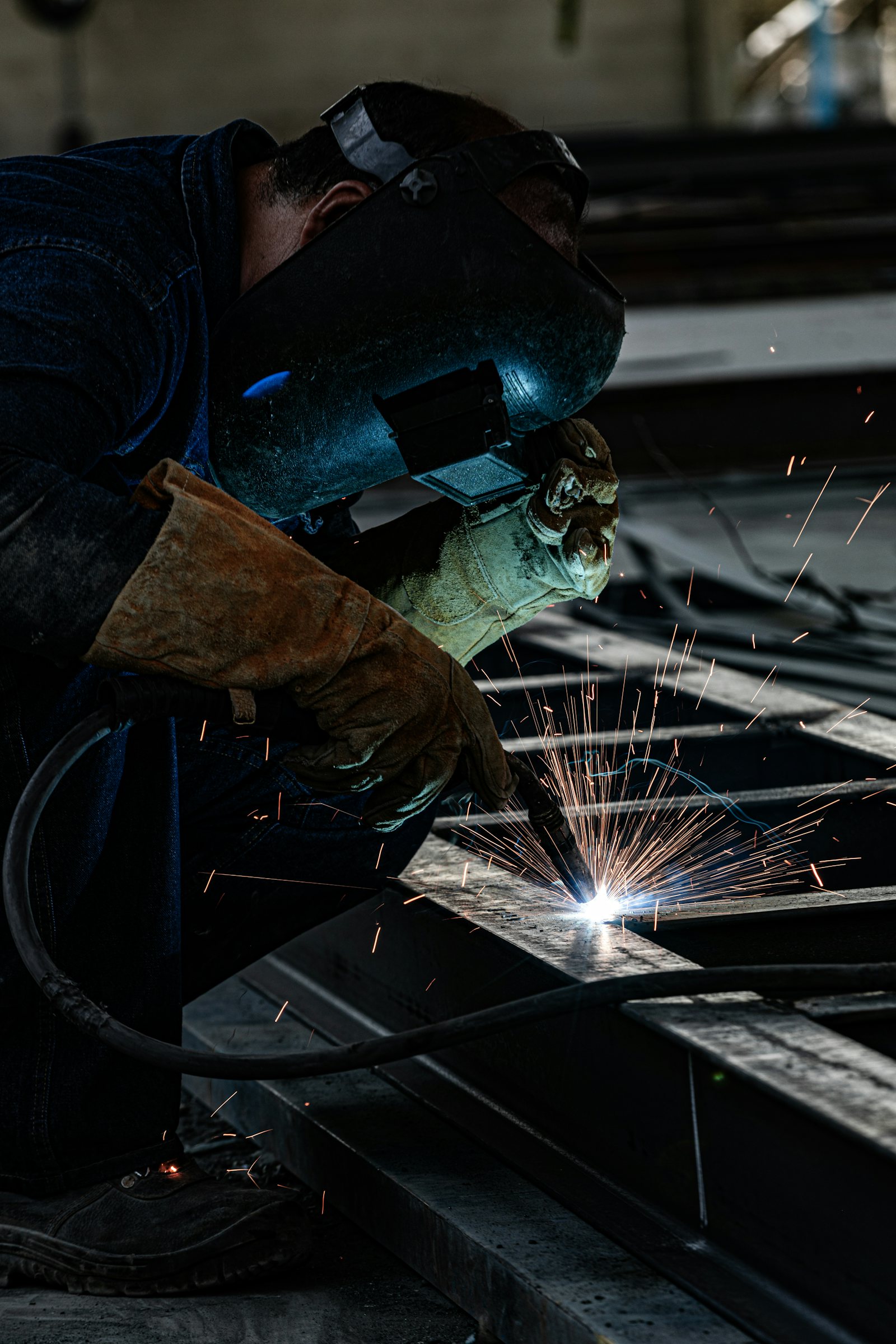
Engineering Critical Assessment (ECA) is a fracture-mechanics approach that assesses how cracks and crack-like features affect the integrity of an oil and gas component. Flaws may sit in the weld (lack of fusion, lack of penetration, slag inclusions) or in the parent metal (laminations, lamellar tearing). By showing which flaws are tolerable, ECA avoids unnecessary repairs.
Our integrity team has been actively involved in developing ECA codes and standards, including BS 7910, DNV-OS-F101 Appendix A, SINTAP and FITNET, and uses DNV-RP-F108 and API 579-1/ASME FFS-1. We bring the latest developments in these standards to our clients’ projects.
We apply ECA throughout the asset life, from concept, fabrication and construction to operation, end of life and life extension, under both static (fracture) and cyclic (fatigue) loading.
What’s included
Fracture and fatigue assessment to BS 7910, DNV-RP-F108 and API 579-1/ASME FFS-1
Strain-based installation, including reeling and deep-water installation
High-pressure, high-temperature (HPHT) operation
Sour service with high levels of H₂S
Tolerable defect sizes (flaw depth against length) for the full project life
Fatigue life of welded and non-welded components, and inspection intervals
Common questions
When is an Engineering Critical Assessment worthwhile?
Whenever weld or parent-metal flaws are found, or acceptance criteria are needed for installation and operation. An ECA shows whether a flaw is tolerable, which often avoids unnecessary and costly repairs.
Free download
Engineering Critical Assessment (ECA)
Capability statement: fracture and fatigue assessment of welded components across the asset life.
Case studies
Delivered on these projects.

More in Asset Integrity Management
Often delivered together.
ILI Data Analysis and Fitness for Service (FFS)
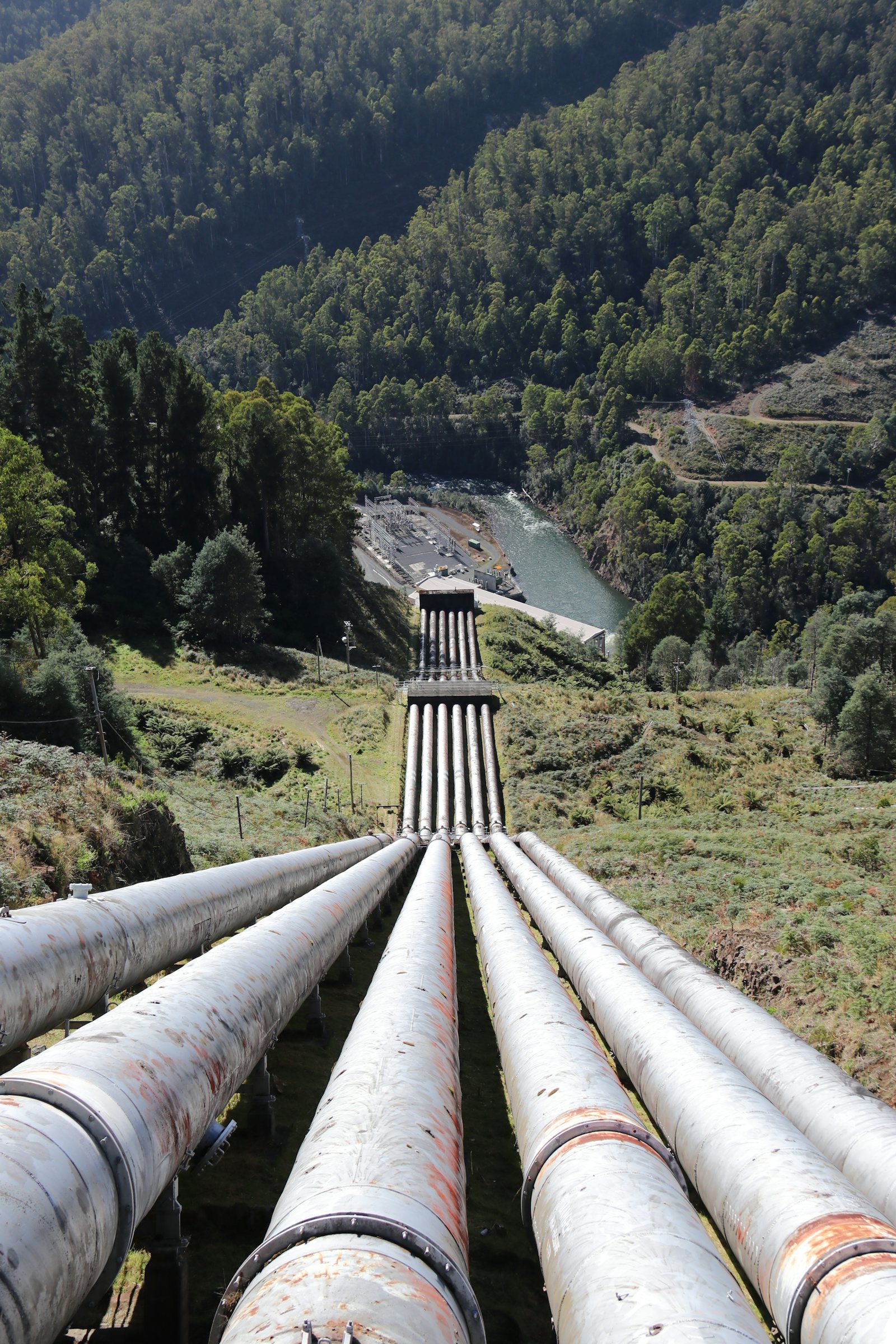
Assessing whether assets with corrosion, dents or gouges can keep operating safely, using in-line inspection and NDT data.
View service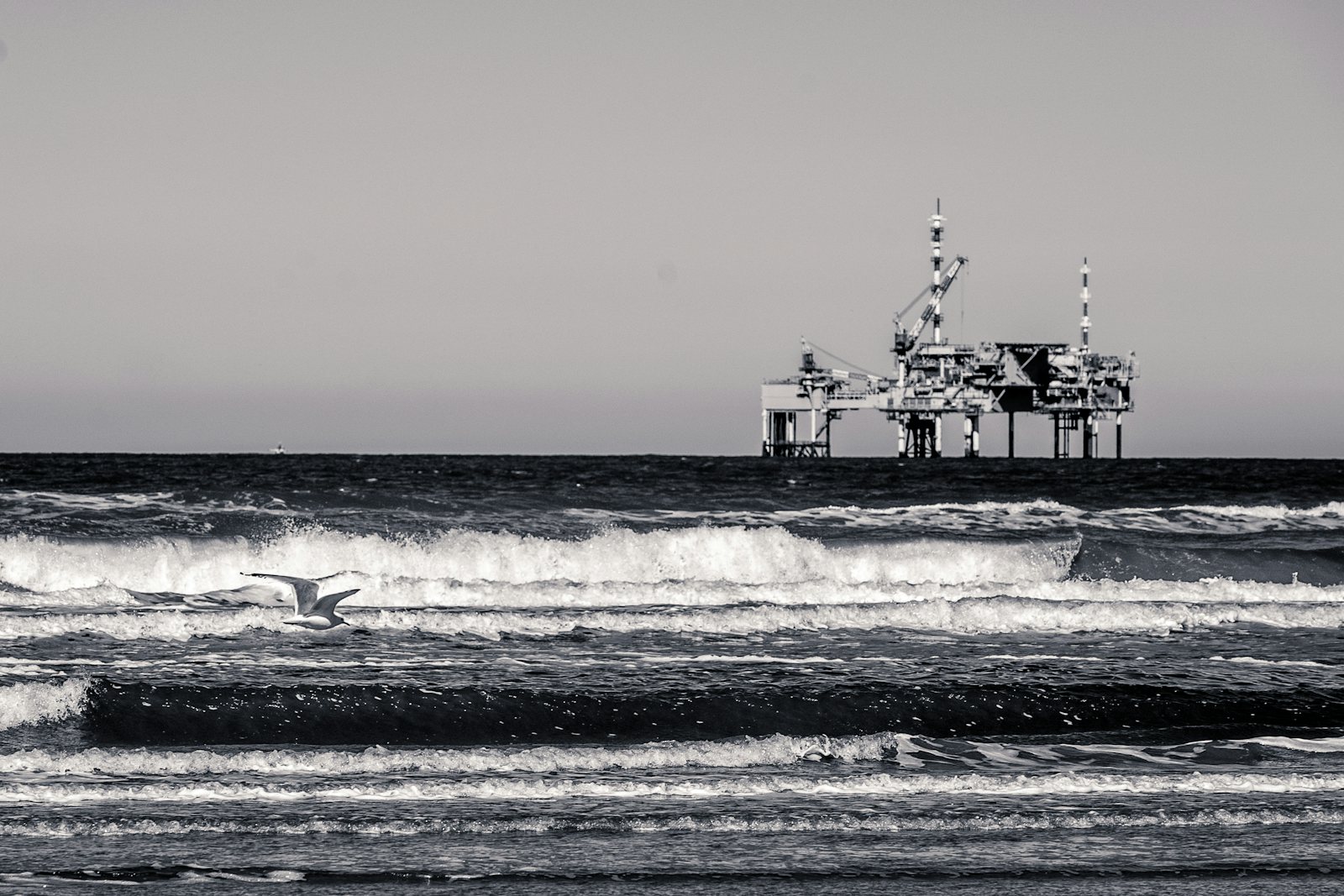
Life Extension Study
Demonstrating that ageing offshore assets can operate safely beyond their original design life.
View service
Talk to us about engineering critical assessment (ECA).
Tell us about the asset, the standards and the schedule — we’ll take it from there.