Subsea Engineering
Subsea Components Design
Design by analysis of flanges, bulkheads, tees and wyes using nonlinear finite element analysis and LRFD criteria.
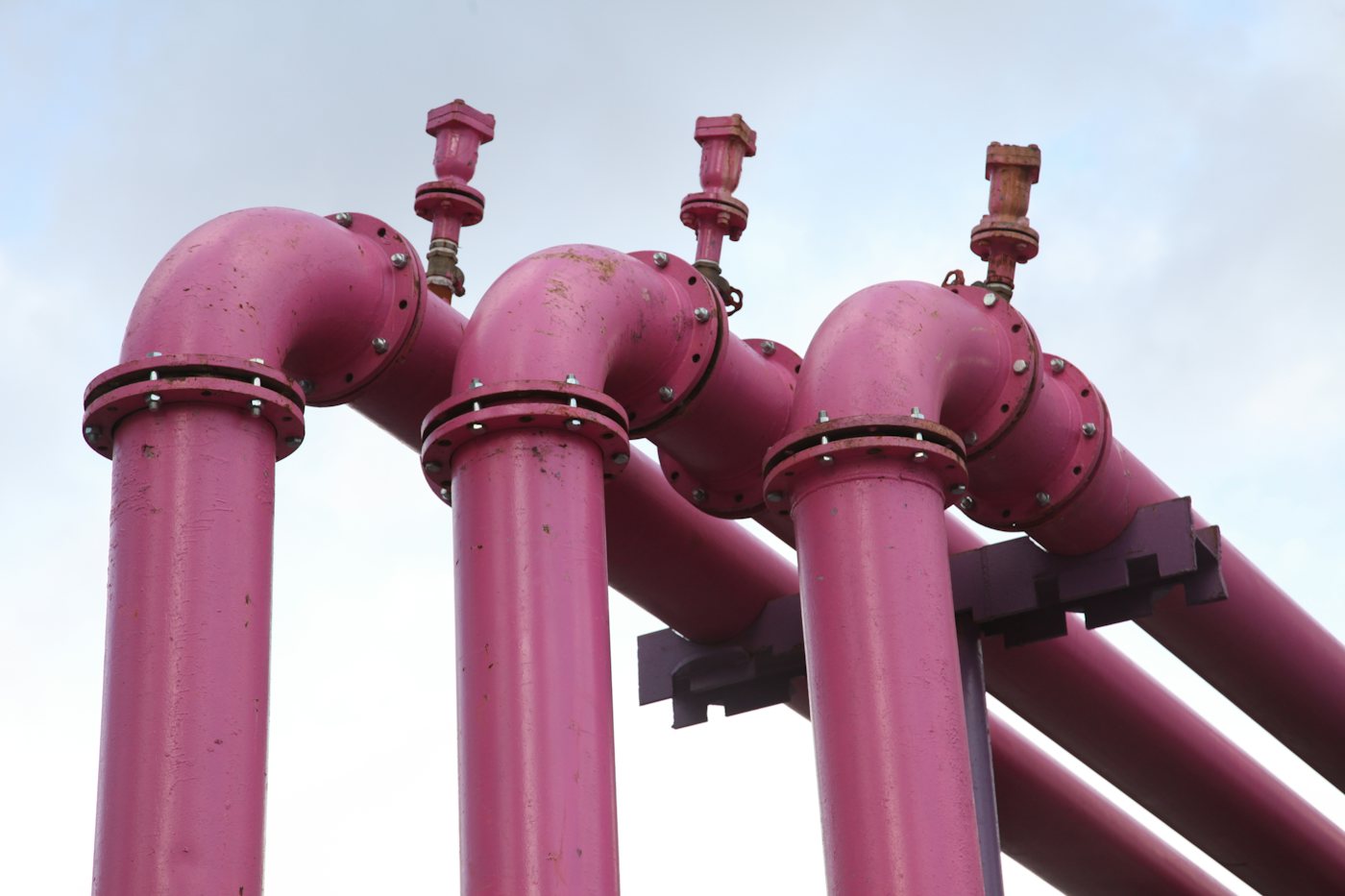
Subsea pipelines always need mechanical components such as flanges, bulkheads, tee pieces and wye pieces. These were traditionally designed using stress linearisation and stress categorisation.
Today’s computing power makes it possible to design components more economically and robustly with nonlinear finite element analysis. Our Design by Analysis (DBA) approach follows load and resistance factor design (LRFD) codes such as BS EN 13445, PD 5500 and ASME VIII Div. 2: load factors greater than 1.0 are applied to the component and resistance factors below 1.0 to the material strength, and the design is checked against strain limits, structural stability or solution convergence.
What’s included
Flanges, including pipe-in-pipe riser hang-off flanges
In-line and flange bulkheads for pipe-in-pipe systems
Tee, wye and reducer pieces
Elastic-plastic, cyclic (ratcheting and shakedown) analysis
Global-to-local modelling
Design to BS EN 13445, PD 5500 and ASME VIII Div. 2
Free download
Design by Analysis of Subsea Components
Capability statement: nonlinear FE design of flanges, bulkheads, tees, wyes and reducers.
Case studies
Delivered on these projects.
More in Subsea Engineering
Often delivered together.
Subsea Pipelines Design
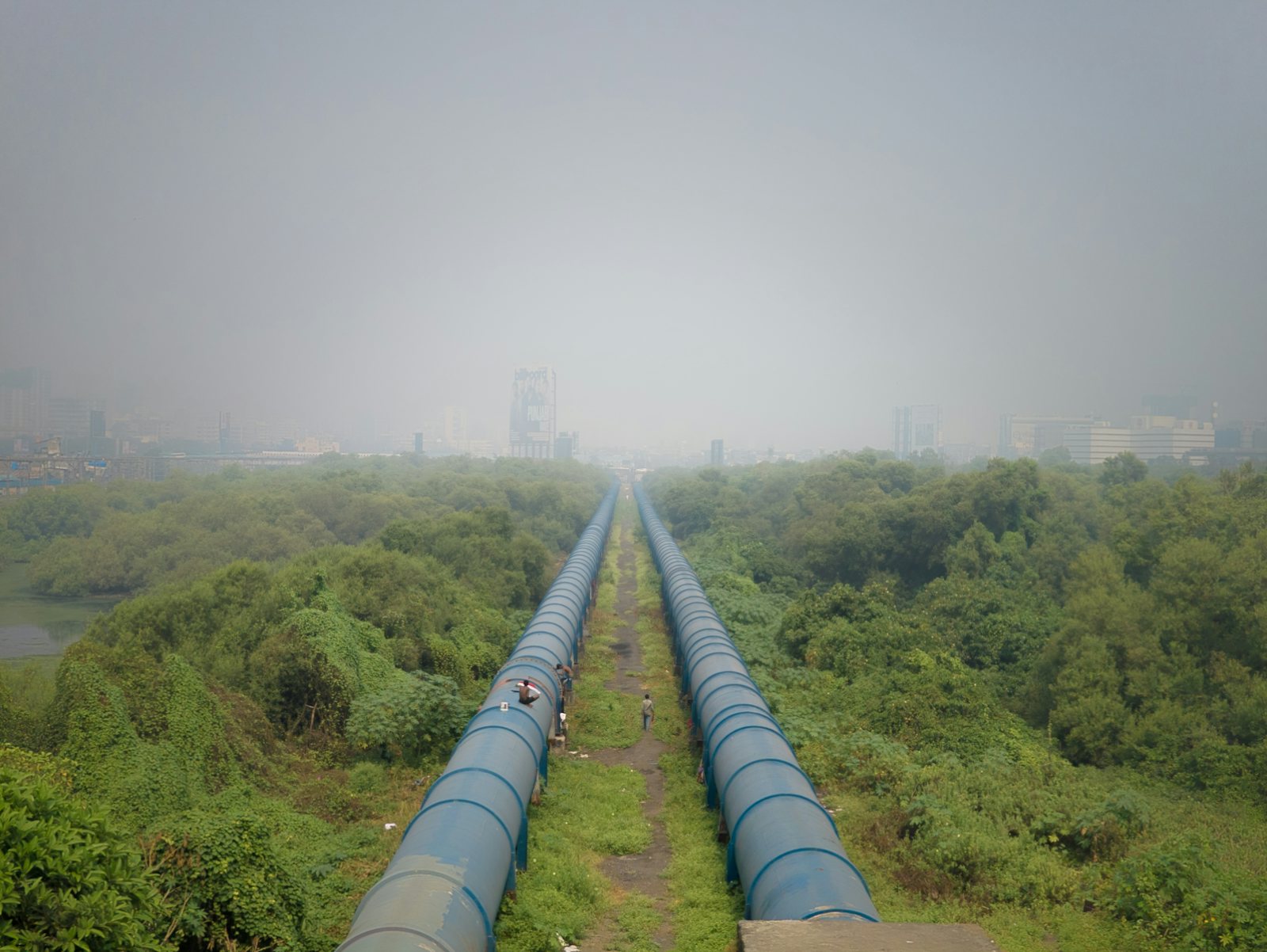
Robust, economical pipeline design to PD 8010, DNV, ASME and other recognised standards, including HPHT systems.
View service
Risers Design
Design and analysis of rigid, flexible and steel catenary risers, J-tubes and umbilicals for shallow and deep water, including installation.
View service
Subsea Structures and Foundations
Design of subsea structures and their foundations for operation, dropped objects, trawl impact, hydrodynamic loads and seismic events.
View service
Talk to us about subsea components design.
Tell us about the asset, the standards and the schedule — we’ll take it from there.